Emergency Vehicles
Emergency vehicles include police cars, ambulances, fire trucks, tow trucks, and utility vehicles. A few provinces have dedicated signs reminding drivers how to behave around them — here are the real ones.
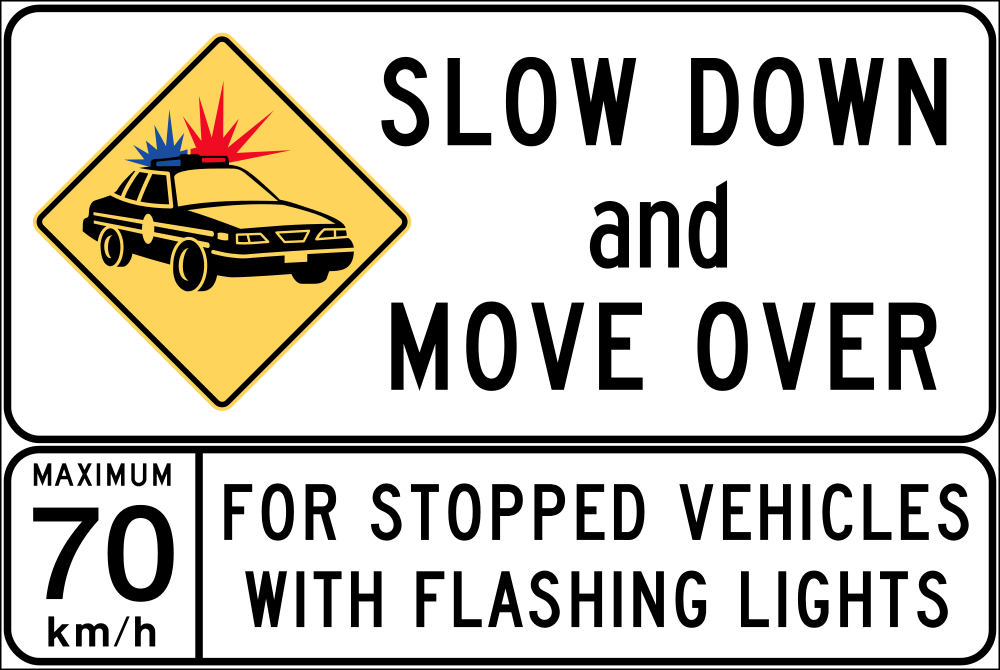
Slow Down and Move Over
When passing a stopped emergency vehicle, tow truck, or utility vehicle with lights flashing, slow to the posted speed or as low as 60–70 km/h — whichever is lower — in the lane next to them.
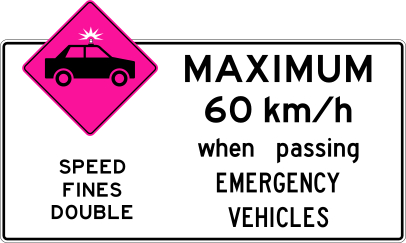
Fines Are Doubled
Speeding fines are doubled in these areas — one reason signs like this one exist as a reminder before you reach the scene.
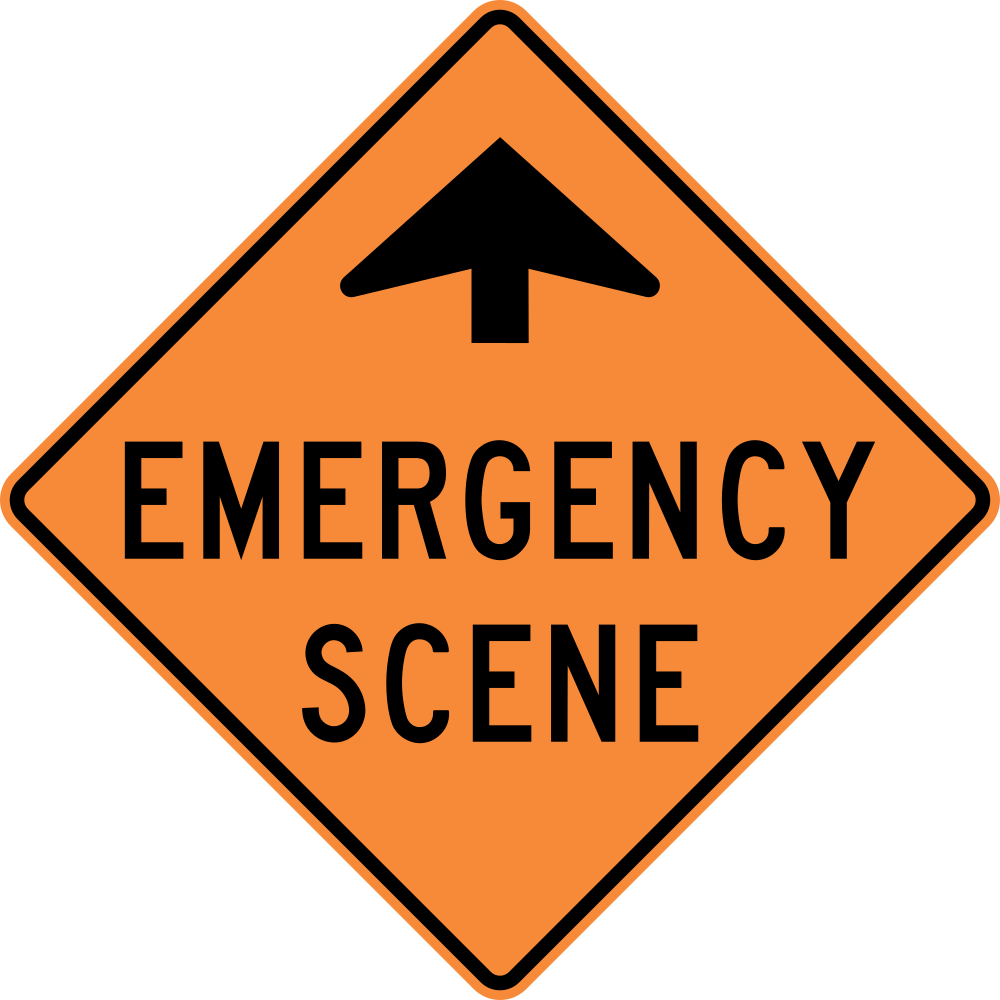
Emergency Scene Ahead
Expect lane shifts, closures, or personnel directing traffic. Slow down and follow any signs or hand signals given at the scene.
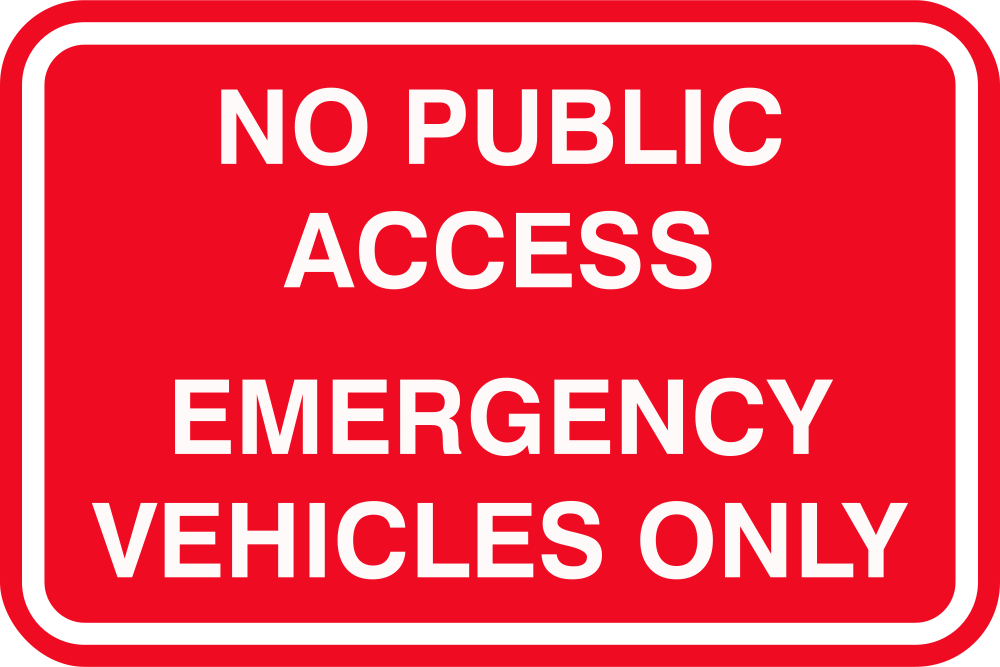
Emergency Vehicles Only
Some roads, lanes, or gates — like fire truck entrances — are reserved strictly for emergency vehicles. Never block or use them for regular travel or parking.
Emergency Vehicles — Know These Rules
- 1Yield immediately to an approaching emergency vehicle using flashing lights or a siren.
- 2Pull over and stop as close as safely possible to the nearest curb or edge of the road.
- 3Do not block an intersection. If you are already in one, clear it first when safe.
- 4Stay stopped until all emergency vehicles have passed. Watch for more than one.
- 5Never follow within 150 metres of an emergency vehicle displaying flashing lights or sounding its siren.
- 6When passing a stopped emergency vehicle with flashing lights, slow to 60 km/h or the posted speed limit, whichever is lower, and move over if safe.